

Instagram Introduces Sponsored Ads (A Look Back at Strategy)
Looking back at when Instagram introduced sponsored ads in 2015. The platform has changed, but the core Instagram advertising strategy remains the same.

What is the best Instagram advertising strategy?
The most effective Instagram advertising strategy focuses on platform-native creative and precise audience targeting. Whether utilizing carousel ads, Reels, or Stories, successful brands avoid reusing generic assets. Instead, they design visually compelling content that aligns with user behavior, ensuring the ad feels like a natural part of the feed rather than an interruption.
 It is fascinating to look back at the evolution of social media. In August 2015, Instagram officially introduced sponsored ads to the world. At the time, it was a photo-sharing app owned by Facebook, just beginning to flex its marketing muscle.
Back then, we noted that Instagram Ads API Partners would finally be able to perform tasks like scheduling content and monitoring audiences. It seems basic now, but in 2015, this was a massive shift for business owners.
While the platform has evolved significantly since then, the core marketing lessons from that initial rollout remain surprisingly relevant today.
The Evolution of the Feed
In 2015, we noticed American Express jumping into the Instagram Ad pond early. Their sponsored image featured three “slide-able” pictures. When you clicked the “learn more” button, you were taken on a journey.
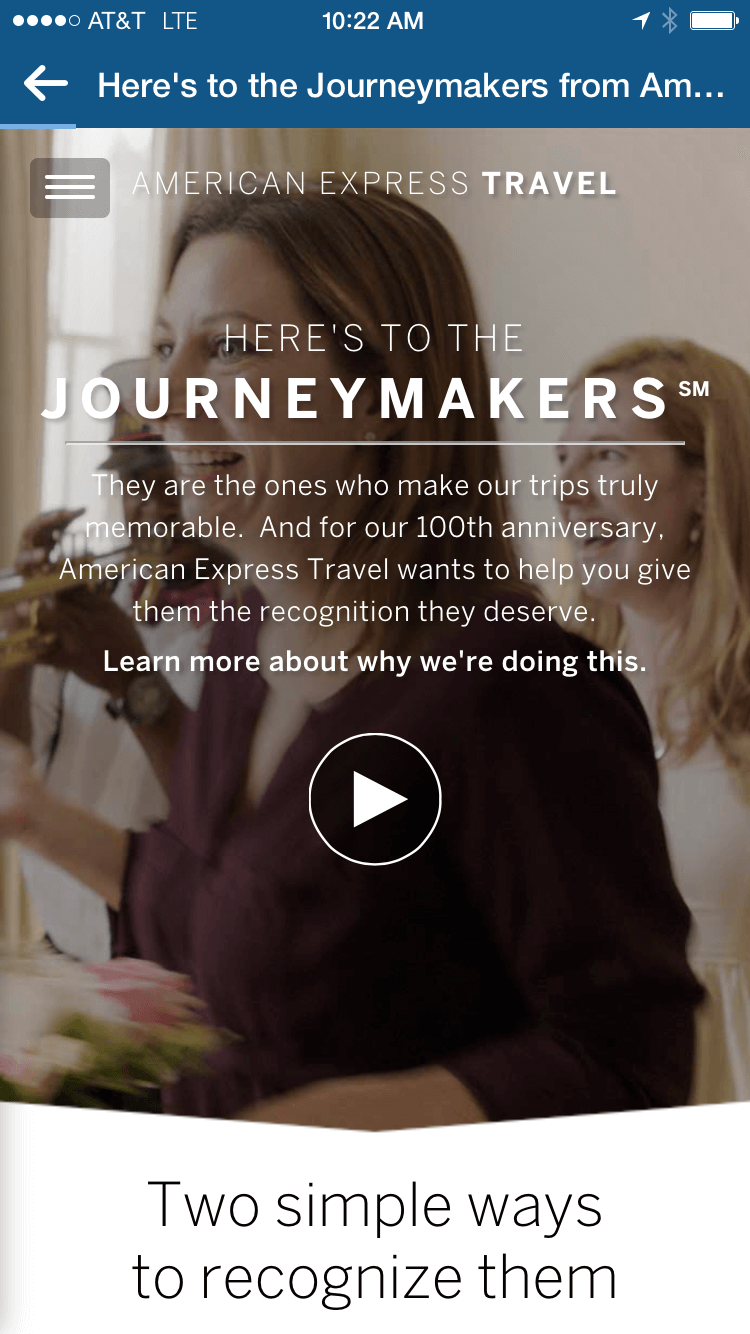
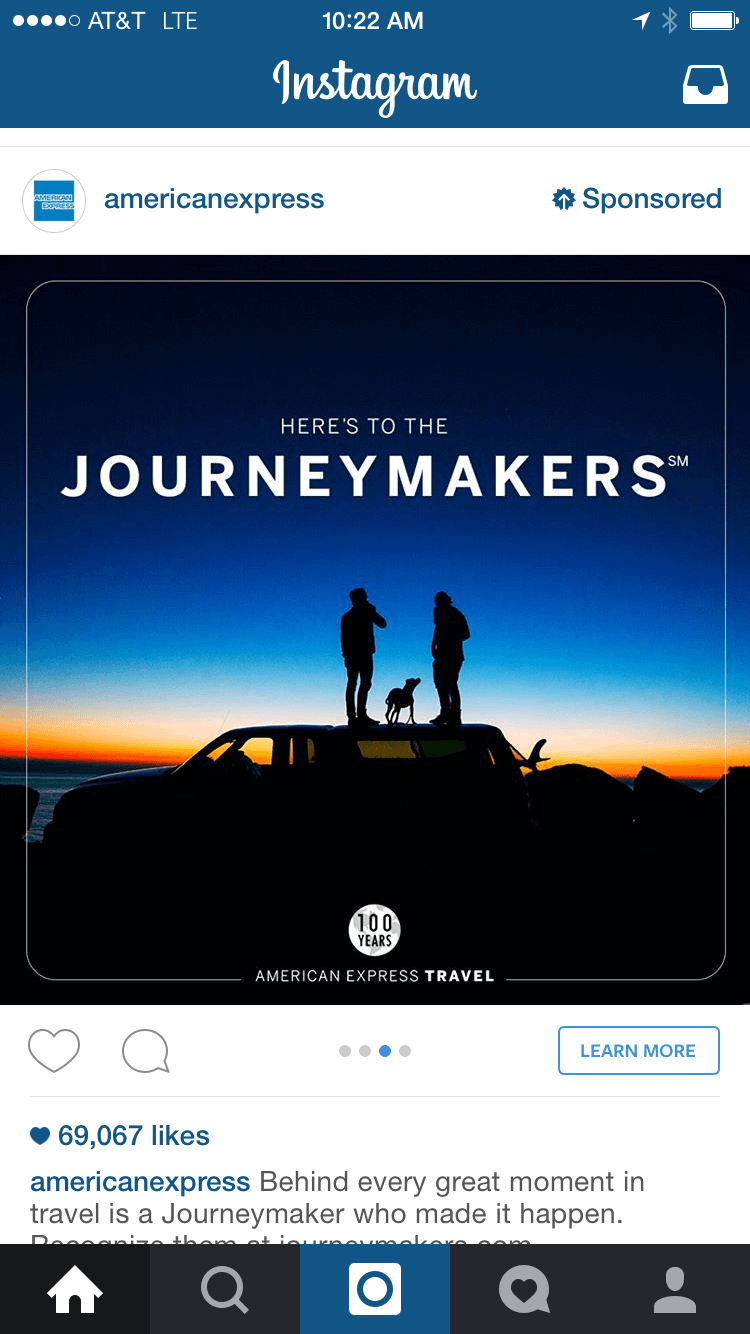

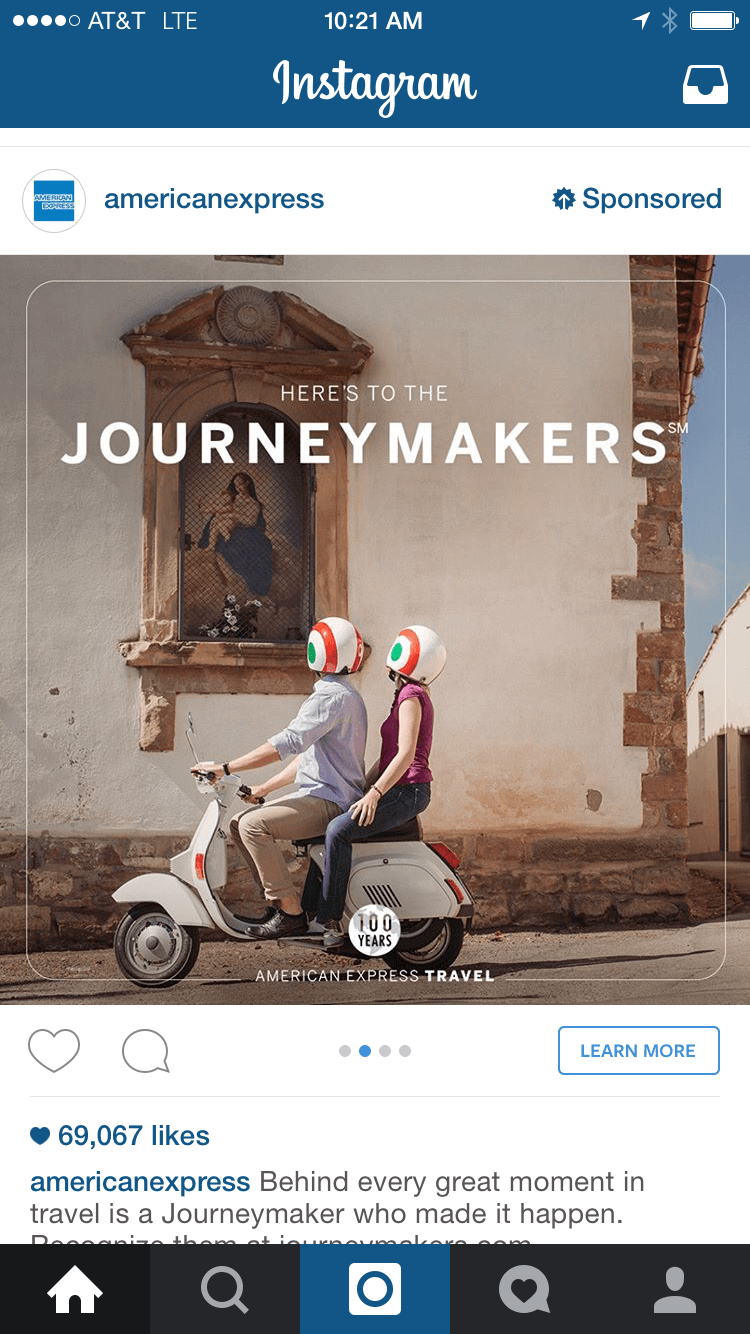
We tipped our cap to Amex then, and we do it again now. Why? Because the ad promoted what the platform is fundamentally about: beautiful visuals. Whether it was 2015 or it is 2026, the rule remains the same: Respect the platform.
Build a Strategy, Don’t Just Buy Ads
When Instagram ads first rolled out, we advised our clients to be patient but to begin developing a strategy immediately. That advice stands.
Take a look at your Instagram followers.
Do you understand the demographic of your potential customers who use this specific platform? Brands and businesses don’t always have the same customers on Facebook as they do on Instagram. In fact, they rarely align perfectly.
Just like any marketing game plan, you must target your audience based on where they are, not where you wish them to be.
Creative Consistency is Key
If you take one thing away from the history of Instagram ads, let it be this: Design creative that fits the platform.
Do not take an ad you use in print, or even on Facebook, and simply throw it up on Instagram. It didn’t work in 2015, and it certainly doesn’t work in 2026. The voice on Instagram is visually distinct. It requires high-quality imagery, compelling video, and a “native” feel.
If your ad looks like a disruption, users will scroll past it. If it looks like a story, they will engage.
The Competitive Advantage
Back in 2015, we were talking about a community of 300 million users. Today, that number has grown exponentially. However, the opportunity for local small businesses remains the same.
The ability to present compelling visual content to an engaged user base creates a huge competitive advantage. Those who find their niche in the Instagram ad world—just like those who found success with Facebook ads early on—will continue to win.
Whether you are looking back at the launch of ads or planning your next campaign for 2026, the principles of Real Strategy never change.
For more information on Instagram ads or how your business can succeed in the social media advertising world, contact Paradux Media Group.
Frequently Asked Questions (FAQ)
When did Instagram introduce advertising?
Instagram officially introduced sponsored ads and opened its API to advertising partners in August 2015. This allowed businesses to schedule content, monitor audiences, and run targeted campaigns for the first time.
Can I use my Facebook ads on Instagram?
Technically, yes, but strategically, no. While you can run ads on both platforms via Meta’s ad manager, Instagram audiences expect high-quality, platform-specific visuals. Repurposing generic Facebook ads often leads to lower engagement on Instagram.
Is Instagram advertising effective for small businesses?
Yes. Instagram allows small businesses to target specific local demographics effectively. By using visually compelling creative that fits the platform, local brands can build deep engagement and compete with larger competitors.
Frequently Asked Questions
When did Instagram introduce advertising?
Instagram officially introduced sponsored ads and opened its API to advertising partners in August 2015. This allowed businesses to schedule content, monitor audiences, and run targeted campaigns for the first time.
Can I use my Facebook ads on Instagram?
Technically, yes, but strategically, no. While you can run ads on both platforms via Meta’s ad manager, Instagram audiences expect high-quality, platform-specific visuals. Repurposing generic Facebook ads often leads to lower engagement on Instagram.
Is Instagram advertising effective for small businesses?
Yes. Instagram allows small businesses to target specific local demographics effectively. By using visually compelling creative that fits the platform, local brands can build deep engagement and compete with larger competitors.
Mike Frey is the Chief Visionary Officer and co-founder of Paradux Media Group. With more than 30 years in marketing, advertising, and media, Mike brings a practical perspective shaped by working with hundreds of locally owned businesses. He specializes in media strategy, buying, and storytelling that makes marketing dollars work harder. Mike learned advertising by selling it for a living, and that experience still shapes his approach: understand the business, spend where it matters, and never recommend more than a client actually needs.

What Clients Say
Mike is a wizard! We had Paradux create a video for our company. It got more than 65,000 views on YouTube in the first week….


“Tisha and Garrett have been wonderful to work with. They are very knowledgeable about websites, marketing, SEO. They have both been prompt and efficient in…

We love working with Paradux. They are very professional, always responsive, learn very quickly about a wide variety of businesses and industries, and produce first-class…

“Paradux is top notch – they know their stuff and always take excellent care of me. I get so many compliments on my website! I’ve…

We love working with Tisha and Paradux. They are professional, very responsive, and are able to dive in and learn about a wide variety of…

I loved working with Paradux on updating our website to look more modern! They are very responsive and incredibly fast at getting things done. I’m…

“Paradux worked quickly and efficiently to quickly get an ad campaign together for our biggest annual fundraising event. I will be using them every year…

“I loved working with Paradux on updating our website to look more modern! They are very responsive and incredibly fast at getting things done. I’m…

“The team at Paradux was wonderful to work with. Their expertise, assistance, grace, and personality were such a joy in our partnership on a video…
